


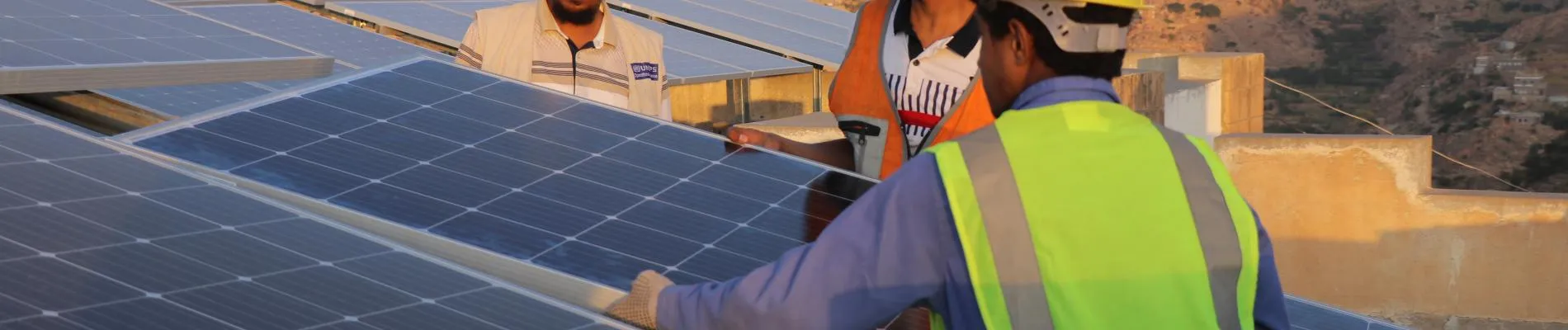
Climate action can have both positive and negative impacts on development. By assessing climate impacts with the potential socio-economic impacts of planned and implemented policies, policymakers are able to weigh potential development benefits against potential negative impacts that could result from policy implementation. In this way, climate action is more likely to be effective and durable, generate positive benefits for society, and achieve desired climate and development outcomes.
The Sustainable Development Methodology helps policymakers and other users assess multiple development and climate impacts across the environmental, social and economic dimensions.
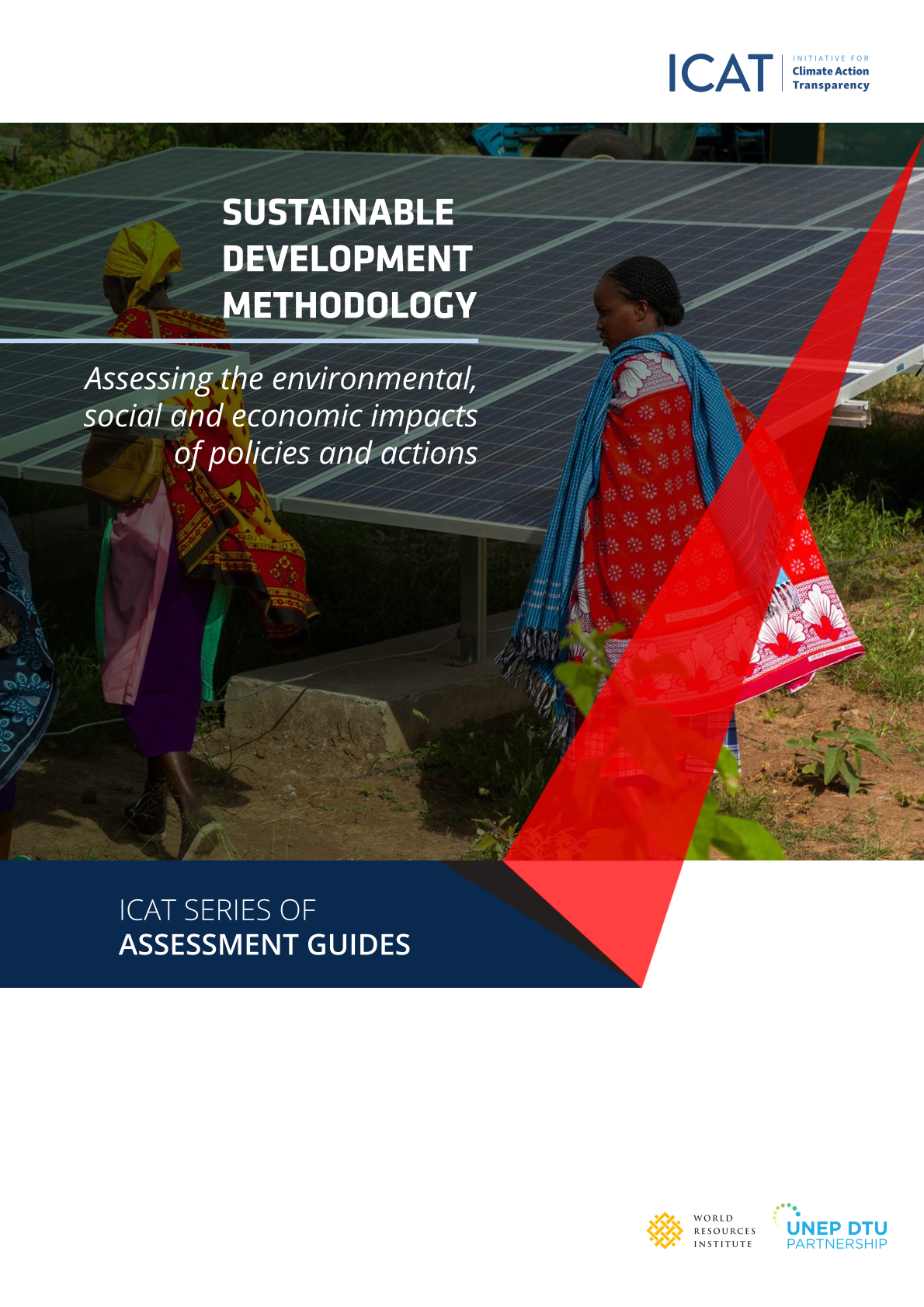
Assess a wide variety of sustainable development impacts, including:
- Environmental impacts (such as on air pollution, water quality, biodiversity and ecosystems);
- Social impacts (such as on health and well-being, welfare and equality, education and culture);
- Economic impacts (such as on employment, business opportunities, income, prices and costs).
Download
Guide in English
Guide in French
Guide in Spanish
Supporting resources
Capacity building modules
Capacity building module - Sustainable development: Part I
 Download
Capacity building module - Sustainable development: Part II
 Download
Capacity building module - Sustainable development: Part III
Download
Capacity building module - Sustainable development: Part IV
Download
Capacity building module - Sustainable development: Part V
Download
Capacity building module - Sustainable development: Part VI
Download
Webinars
Examples of country applications
Application of the ICAT Transformational Change and Sustainable Development Methodologies to assess disruptive innovations and behaviors in support of climate action in Argentina.
Read more
Pilot Case Study: Sustainable Development Impact of the Cities Footprint Project on the Sustainable Development Goals in Five Cities of Bolivia
Read more

Pilot Case Study: An Assessment of the Sustainable Development Impact of Biodiversity Policy in South Africa
Read more

 Back to Toolbox