
ICAT’s Monitoring, Evaluation, Learning and Uptake framework captures key impacts achieved across the spectrum of ICAT’s work. With a focus on real-time learning, these impacts are fed back into a virtuous evaluation cycle to ensure that ICAT’s offer continues to meet its own climate action transparency priorities, alongside those of its partners.
2025 ICAT Impact Report
The 2025 ICAT Impact Report showcases the significant progress and achievements ICAT has made in collaboration with its partners to enhance climate action transparency. It highlights key milestones, successful steps forward, and the tangible impact of efforts in supporting countries in enhancing climate action through data and analysis across the developing world.
Explore the Report
ICAT Impact Stories
For information about the impact of ICAT work in specific countries, see our impact stories



Tracking NDC Progress in Saint Kitts and Nevis: The Road to Clean Energy and Electric Transport
View Story

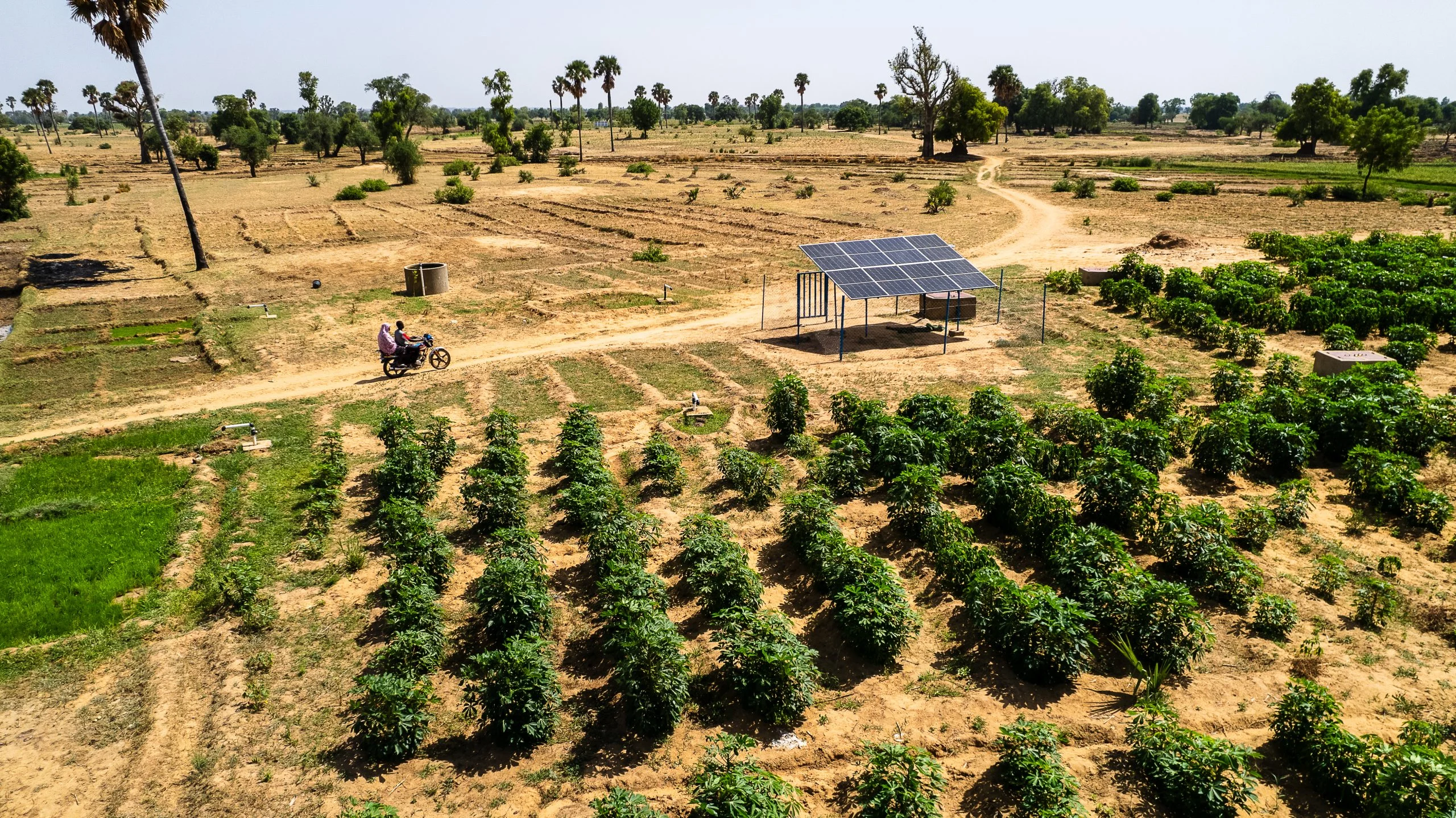
Niger’s data-driven energy transition boosts climate action and national development
View Story
ICAT Impact Numbers
ICAT’s Monitoring, Evaluation, Learning and Uptake framework tracks the following metrics to measure the impact of ICAT’s work
3647
People trained as part of ICAT projects (56% male and 44% female)
6644
Stakeholders engaged via ICAT projects (58% male and 42% female)
132
Peer to peer or knowledge sharing events have taken place
15
Countries have worked on putting in place a new or refined GHG inventory as part of an ICAT project
32
Countries have worked on putting in place a new or refined MRV framework as part of an ICAT project
13
Countries have worked on developing a new or refined NDC tracking framework as part of an ICAT project
15
Countries worked to improve integration of data from subnational and non-state action into national MRV systems as part of an ICAT project
5
Countries have worked on new or refined adaptation monitoring measures, processes and plans as part of an ICAT project
43
Countries have applied ICAT tools, guides and methodologies
35
Countries confirmed the ICAT project resulted in improved reporting to the UNFCCC
21
Countries supported in the NDC update process
16
Countries worked to improve climate and/or sustainable development policies as a result of ICAT supported assessments
38
Countries confirmed the ICAT project contributed to early signs of transformational change